Unveiling the Process Behind Top Hydraulic Machined Parts Manufacturing
Understanding Hydraulic Machined Parts
Importance of Hydraulics in Various Industries
Hydraulic systems play a vital role across many industries, providing power and control for a wide array of applications. From construction machinery to automotive systems, hydraulics leverage fluid power to transmit energy efficiently. The ability to generate significant force with minimal movement makes hydraulic systems indispensable in sectors like manufacturing, aerospace, and agriculture. For example, hydraulic presses utilize hydraulic machined parts to exert pressure, shaping materials into desired forms. This efficiency has led to an increased reliance on hydraulic systems, driving demand for high-quality hydraulic machined parts that can withstand rigorous operational conditions.
Types of Hydraulic Machined Parts
Manufacturers produce various hydraulic machined parts tailored to specific applications. Common components include hydraulic cylinders, pumps, valves, and fittings. Hydraulic cylinders generate linear motion, while pumps create fluid flow, essential for system functionality. Valves control the direction and pressure of hydraulic fluid, ensuring precise operation. Fittings connect different components within hydraulic systems, allowing for seamless integration. Each type of part demands precision in design and manufacturing, as even minor defects can lead to system failures. Understanding these components helps manufacturers identify the precise specifications required for optimal performance and longevity.
Applications of Machined Hydraulic Parts
Machined hydraulic parts find applications in a multitude of fields, each requiring unique specifications. In construction, hydraulic machines like excavators and loaders rely on these components for movement and lifting capabilities. In the automotive industry, hydraulic systems manage brake and steering functions, enhancing vehicle safety and performance. Agricultural machinery, such as tractors, utilizes hydraulic parts for plowing, planting, and harvesting tasks. Aerospace applications also employ hydraulic systems for controlling aircraft wing flaps and landing gear. The versatility of hydraulic machined parts ensures they are integral to modern machinery, making their quality and reliability paramount for operational success.
The Manufacturing Process of Hydraulic Machined Parts
Overview of CNC Machining Techniques
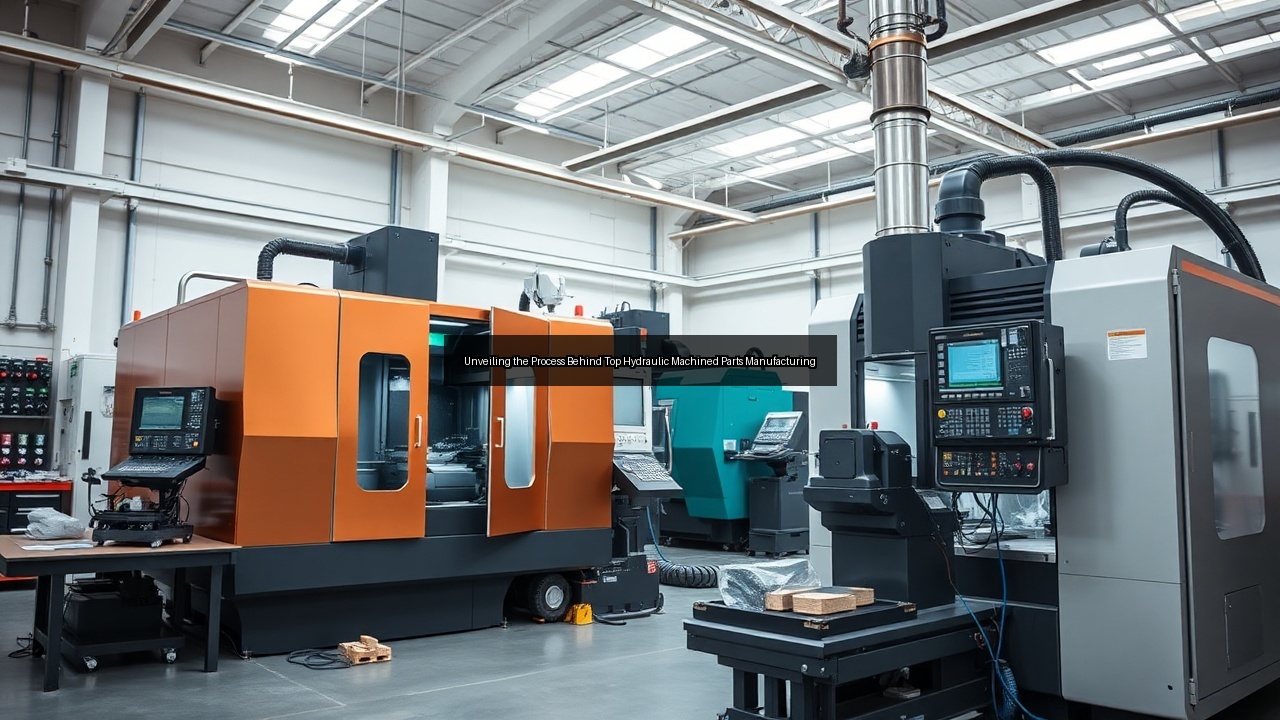
CNC machining stands at the forefront of hydraulic machined parts manufacturing, offering precision and efficiency. Computer Numerical Control (CNC) technology allows for automated machining processes, reducing human error and increasing production speed. Manufacturers use CNC milling and CNC lathe operations to create complex geometries and tight tolerances in hydraulic components. The ability to program specific designs into the CNC machines enables consistent replication of parts, crucial for maintaining quality across large production runs. This automation not only enhances efficiency but also facilitates rapid prototyping, enabling manufacturers to adapt to market demands swiftly.
Milling and Lathe Operations in Hydraulic Manufacturing
Milling and lathe operations represent two essential techniques in the production of hydraulic machined parts. Milling involves rotating a cutting tool against stationary material, allowing for intricate shapes and detailed features. This method is particularly useful for producing hydraulic valve bodies and other complex components. Conversely, lathe operations rotate the workpiece against a stationary cutting tool, ideal for creating cylindrical parts such as hydraulic cylinders and shafts. The combination of these techniques ensures that manufacturers can meet the diverse design requirements of hydraulic systems while maintaining high standards of precision and durability.
Material Selection for Durability and Efficiency
Choosing the right materials for hydraulic machined parts is crucial for ensuring durability and operational efficiency. Manufacturers often opt for high-strength alloys, such as aluminum and steel, which provide the necessary resilience against wear and pressure. Materials must also withstand exposure to hydraulic fluids, which can lead to corrosion if not properly selected. Advanced materials, like composites and specialized coatings, are increasingly used to enhance performance and longevity. The selection process involves evaluating both the mechanical properties and the specific application requirements, ensuring that each component can perform effectively within its intended hydraulic system.
Quality Assurance in Hydraulic Machined Parts Production
Standards and Certifications for Quality Control
Quality assurance plays a critical role in the production of hydraulic machined parts, as these components must adhere to stringent industry standards. Organizations such as ISO (International Organization for Standardization) provide guidelines that manufacturers must follow to ensure quality and reliability. Certifications, such as ISO 9001, signify a commitment to quality management systems, helping manufacturers maintain consistency in their production processes. Regular inspections and testing of components throughout the manufacturing cycle further enhance quality control, minimizing the risk of defects and ensuring that hydraulic machined parts perform reliably under pressure.
Role of FZE Manufacturing Solutions in Quality Assurance
FZE Manufacturing Solutions exemplifies a commitment to quality in hydraulic machined parts production. With a focus on innovation and precision, FZE employs advanced quality assurance protocols that integrate seamlessly into their manufacturing processes. From initial design to final inspection, each step incorporates rigorous testing to verify component integrity and performance. FZE's dedication to maintaining high standards has positioned them as a leader in the hydraulic parts manufacturing sector, ensuring that clients receive components that meet or exceed industry expectations.
Case Studies: Hogge Precision and McCormick Industries
Examining the practices of industry leaders like Hogge Precision and McCormick Industries reveals the importance of quality assurance in hydraulic machined parts manufacturing. Hogge Precision employs advanced CNC machining techniques combined with strict quality control measures to produce components that excel in performance and reliability. Their commitment to continuous improvement and customer satisfaction has led to significant advancements in hydraulic technology. Meanwhile, McCormick Industries focuses on innovative material selection and testing protocols, ensuring their parts withstand the toughest conditions. Both companies demonstrate how effective quality assurance processes can enhance product performance and customer trust in hydraulic machined parts.
Future Trends in Hydraulic Machined Parts Manufacturing
Innovations in CNC Machining Technology
The future of hydraulic machined parts manufacturing lies in ongoing innovations in CNC machining technology. Emerging trends include the integration of artificial intelligence (AI) and machine learning into CNC systems, which enhances predictive maintenance and operational efficiency. Advanced software allows manufacturers to simulate machining processes, optimizing designs before production begins. These innovations not only reduce waste but also improve the overall quality of machined parts. As technology continues to evolve, manufacturers can expect shorter lead times and even greater precision in producing hydraulic components.
Sustainability Practices in Hydraulic Manufacturing
Sustainability has become a focal point in hydraulic parts manufacturing, driven by increasing environmental awareness. Manufacturers are adopting eco-friendly practices, such as recycling materials and reducing energy consumption during production. Implementing sustainable machining techniques minimizes the environmental impact while maintaining efficiency. Additionally, many manufacturers are exploring biodegradable hydraulic fluids and sustainable material options, contributing to a greener industry. Embracing sustainability not only meets regulatory requirements but also resonates with consumers seeking environmentally responsible products.
Impact of Automation on Efficiency and Production
Automation significantly impacts the efficiency and production capabilities of hydraulic machined parts manufacturing. By integrating robotic systems and automated workflows, manufacturers streamline their operations, reducing labor costs and minimizing human error. Automated inspection systems enhance quality control, ensuring that each component meets rigorous standards without the need for extensive manual checks. The result is a faster production cycle that allows manufacturers to respond swiftly to market demands while maintaining high levels of quality. As automation technology continues to advance, manufacturers can expect even greater improvements in productivity and operational efficiency.