Unlocking Precision with Swiss Turning Services for High-Tech Manufacturing
The Evolution of Swiss Turning Services in High-Tech Manufacturing
Historical Overview of Swiss Turning
Swiss turning, originating from the late 19th century in Switzerland, revolutionized precision machining. Early Swiss lathes were designed to produce small, intricate parts efficiently, primarily for the watchmaking industry. These machines allowed for high-speed production while maintaining exceptional tolerances. The unique design of Swiss lathes enabled them to work with small-diameter workpieces, a characteristic that set them apart from traditional lathes. As industries evolved, Swiss turning services expanded into various sectors, including electronics and telecommunications, where precision became crucial. This historical foundation paved the way for modern advancements in machining technologies, significantly impacting high-tech manufacturing.
Advancements in Swiss Lathe Technology
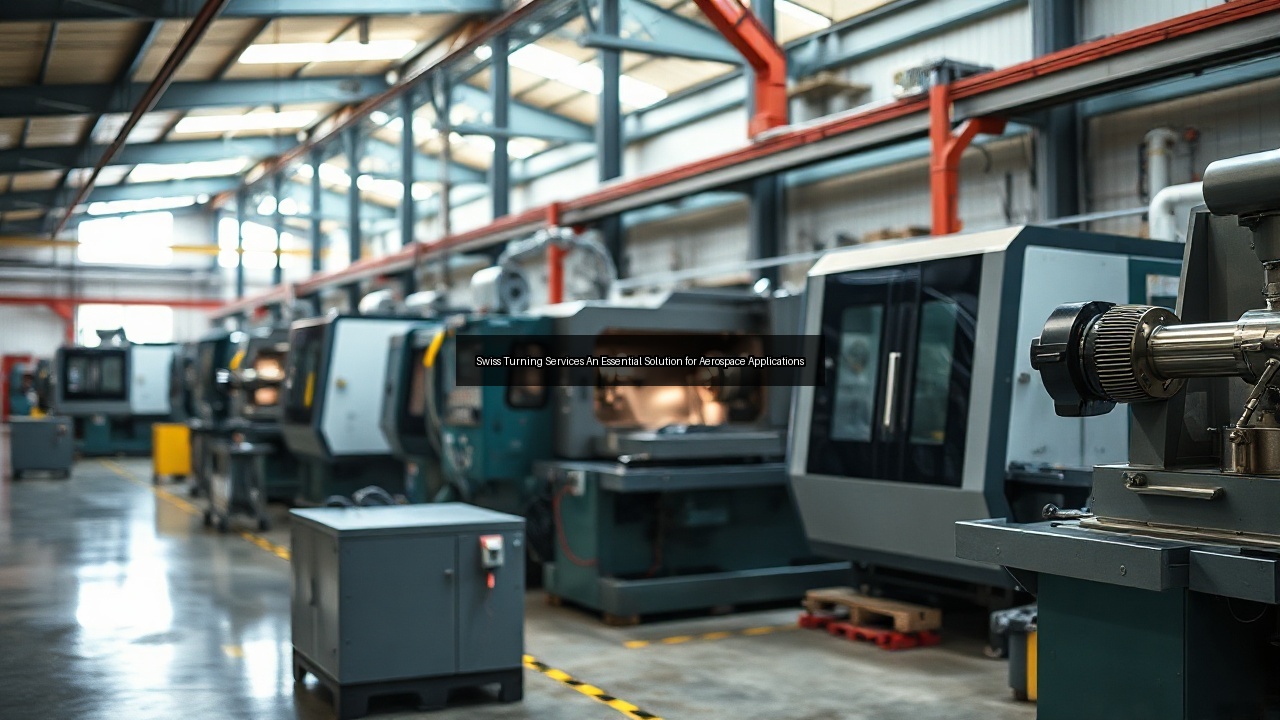
Swiss lathe technology has seen remarkable advancements, particularly with the integration of computer numerical control (CNC). CNC Swiss lathes offer unparalleled precision by automating the cnc turning machining process. These advanced machines can execute complex designs with consistent accuracy, significantly reducing the risk of human error. Enhanced tooling options, including multi-spindle configurations and live tooling capabilities, expand the range of operations possible on a single machine. This evolution allows manufacturers to streamline production processes, reduce cycle times, and improve overall efficiency. Today’s Swiss turning services leverage this cutting-edge technology to produce high-quality components across various materials, from metals like steel and copper to high-performance plastics like PTFE and acetal.
The Role of CNC in Precision Machining
CNC technology plays a pivotal role in precision machining, especially within Swiss turning services. It enables manufacturers to produce intricate parts with exact specifications, adhering to stringent tolerances. CNC programming simplifies the process of creating complex geometries, allowing for efficient production runs. The automation provided by CNC reduces labor costs and minimizes production time, making it an essential tool in today’s competitive manufacturing landscape. Moreover, CNC Swiss turning offers flexibility, allowing for rapid adjustments to designs without needing extensive retooling. This adaptability is invaluable for high-tech industries, where innovation is constant and precision is non-negotiable.
Key Benefits of Swiss Turning Services for Precision Manufacturing
Unmatched Precision and Tolerances
Swiss turning services excel in producing components with unmatched precision and tight tolerances. The design of Swiss lathes inherently supports the creation of small, intricate parts with a high degree of accuracy. These machines can achieve tolerances as tight as ±0.001 inches, making them ideal for applications where precision is paramount. The ability to maintain such high levels of accuracy reduces the need for secondary operations, streamlining the manufacturing process. Industries that require exact specifications, such as aerospace and medical device manufacturing, benefit significantly from the precision offered by Swiss turning services. This capability not only enhances product quality but also boosts customer satisfaction by meeting rigorous industry standards.
Versatility in Material Selection: Metal, Plastic, and More
Swiss turning services provide remarkable versatility in material selection, accommodating a wide range of materials, including metals like steel and copper, as well as advanced plastics such as PTFE and acetal. This adaptability allows manufacturers to tailor components to specific applications with the right material properties. For instance, stainless steel is often chosen for its strength and corrosion resistance, while PTFE is favored for its low friction and chemical resistance. The ability to work with diverse materials enhances the service's appeal, allowing companies to innovate and meet various demands in high-tech sectors. This versatility in material selection supports the development of lightweight components essential for industries like aerospace and automotive.
Quality Assurance Standards and ISO Compliance
Quality assurance stands as a cornerstone of Swiss turning services. Manufacturers adhering to ISO standards ensure their processes meet international quality benchmarks, leading to consistent and reliable products. ISO compliance involves rigorous testing and inspections at each stage of production, from raw material selection to final surface finishing. Companies like Hogge Precision Parts and McCormick Industries exemplify the commitment to quality assurance, implementing strict protocols to maintain high standards. This dedication to quality not only fosters trust among customers but also enhances the reputation of Swiss turning services in the market. As industries increasingly prioritize quality, ISO compliance becomes a critical factor in choosing a Swiss turning service provider.
Applications of Swiss Turning Services in Various Industries
Swiss Turning in Aerospace and Defense
Aerospace and defense industries demand the highest precision in components due to the critical nature of their applications. Swiss turning services play a vital role in manufacturing parts like fasteners, brackets, and valve bodies that adhere to stringent safety and performance standards. The ability to produce complex geometries with tight tolerances ensures that components meet the rigorous requirements of aerospace engineering. Furthermore, the lightweight nature of materials used in Swiss turning, such as titanium and aluminum alloys, contributes to fuel efficiency and overall performance in aircraft design. The reliability of Swiss turning services in these sectors elevates their importance, making them indispensable for meeting the challenges of modern aerospace and defense manufacturing.
Utilization in Medical Device Manufacturing
Swiss turning services are integral to the medical device manufacturing sector, where precision and reliability are critical. Components such as surgical instruments, implantable devices, and diagnostic equipment require exact specifications to ensure safety and efficacy. Swiss lathes provide the precision necessary for crafting intricate parts, often utilizing materials like stainless steel and biocompatible plastics. The combination of advanced CNC technology and stringent quality assurance protocols allows manufacturers to create devices that meet FDA regulations and ISO standards. The medical industry's evolving demands drive continuous innovation in Swiss turning services, making them essential in producing cutting-edge medical technologies that save lives.
Automotive Parts and Components
Swiss turning services have found cnc turning extensive applications in the automotive industry, particularly in the production of high-precision components such as fuel injectors, gears, and fittings. The automotive sector values the efficiency and accuracy provided by Swiss lathes, enabling manufacturers to produce parts that enhance vehicle performance and safety. As automotive technology advances, the demand for lightweight and durable materials increases, prompting the use of advanced alloys and composites. Swiss turning services can cater to these needs, ensuring that components not only meet design specifications but also withstand the rigors of automotive applications. The role of Swiss turning in automotive manufacturing underscores its versatility and importance in high-tech industries.
Choosing the Right Swiss Turning Service Provider
Evaluating Capabilities: Machines and Tools
Selecting the right Swiss turning service provider involves a thorough evaluation of their capabilities, particularly the machines and tools they employ. A reputable provider should utilize state-of-the-art CNC Swiss lathes equipped with advanced tooling options. Understanding the specific capabilities of their machines, such as multi-axis operations and live tooling, can indicate the provider's ability to handle complex projects. Additionally, assessing their machine maintenance practices can offer insights into their commitment to quality and precision. Choosing a provider with a robust array of tools ensures the ability to manufacture diverse components, meeting the unique demands of various industries.
Understanding Surface Finishing and Threading Techniques
Surface finishing and threading techniques significantly impact the quality and performance of machined components. When selecting a Swiss turning service provider, consider their expertise in these areas. Surface finishing options such as polishing, anodizing, and coating can enhance the durability and aesthetics of parts. Threading techniques, including internal and external threading, should align with the specifications required for the project. A knowledgeable provider will have the necessary skills and equipment to deliver components that not only meet functional requirements but also comply with industry standards. Understanding these capabilities can lead to better outcomes in high-tech manufacturing.
Case Studies: Success with Hogge Precision Parts and McCormick Industries
Examining successful case studies can provide valuable swiss machining services insights into selecting a Swiss turning service provider. Hogge Precision Parts, known for its commitment to quality and precision, has delivered exceptional components for the aerospace sector, significantly enhancing flight safety. Their use of advanced CNC technology and rigorous quality assurance protocols has established them as a leader in Swiss turning services. Similarly, McCormick Industries showcases the versatility of Swiss turning in automotive applications, producing high-performance parts that meet demanding industry standards. These case studies illustrate the importance of partnering with reputable providers that prioritize quality, precision, and customer satisfaction in high-tech manufacturing.