Thread Rolling Techniques for Precision Knurling Applications
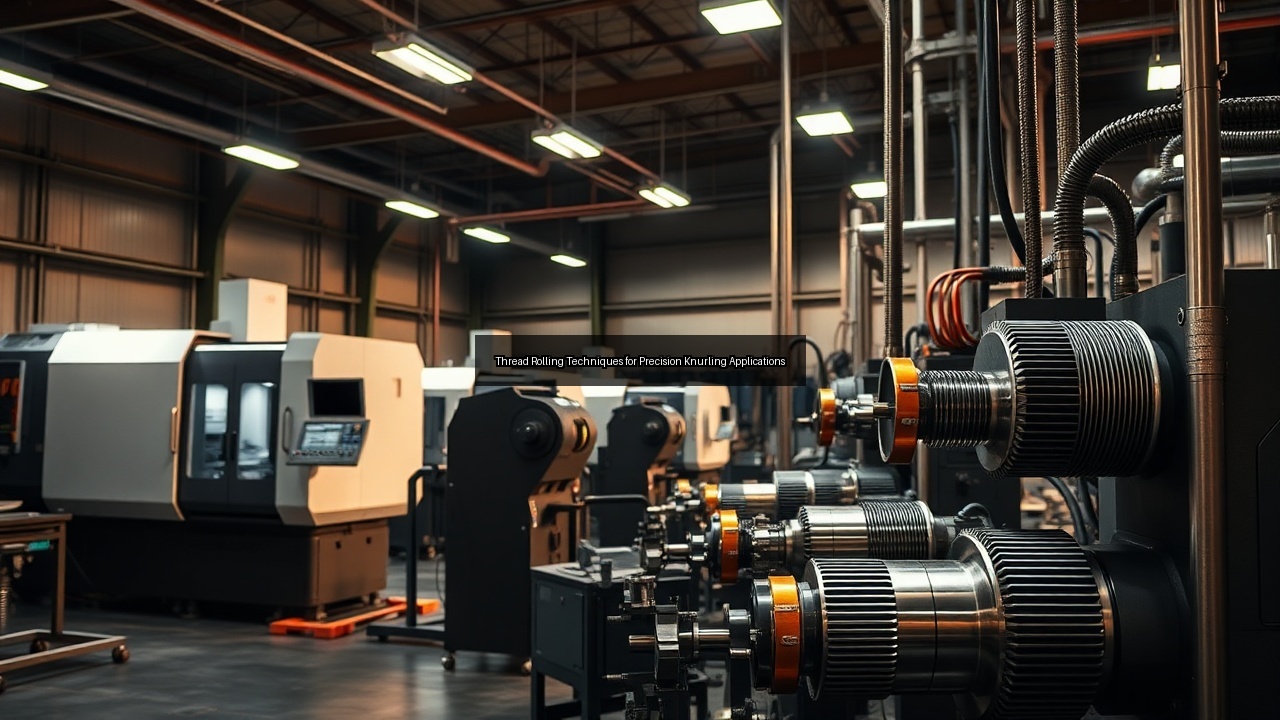
Understanding Thread Rolling Techniques
Overview of Thread Rolling
Thread rolling stands as a pivotal technique in the manufacturing sector, primarily focused on creating threads on metal components through a cold-forming process. Unlike traditional methods such as cutting or grinding, thread rolling utilizes pressure to deform the metal, resulting in enhanced strength and precision. This method is particularly favored for producing fasteners and other threaded products due to its ability to achieve tighter tolerances and improved surface finishes. The process involves two dies that grip the metal blank and rotate, effectively rolling the thread profile into the material. This cold working method not only preserves the integrity of the metal but also increases its fatigue resistance, making it ideal for demanding applications.
Types of Thread Rolling Processes
Several types of thread rolling processes exist, each tailored to specific manufacturing needs. The most common include flat die rolling, cylindrical die rolling, and planetary rolling. Flat die rolling employs a set of flat dies to shape the thread, suitable for larger, flat components. Cylindrical die rolling, on the other hand, uses cylindrical dies to create external threads on a rotating workpiece, making it ideal for standard fasteners. Planetary rolling combines features of both, allowing for intricate thread designs and complex geometries. Manufacturers often choose the type of rolling based on the complexity of the thread, the material involved, and the desired production volume, ensuring that the chosen method aligns with their operational goals.
Advantages of Thread Rolling in Manufacturing
Thread rolling offers numerous advantages that elevate its status in metal manufacturing. One of the most significant benefits is the reduction in waste. Since the process involves deforming rather than removing material, businesses can optimize material usage and minimize scrap. Additionally, thread rolling enhances the mechanical properties of the metal, resulting in stronger threads that withstand higher loads. The process also contributes to faster production rates, as it can produce threads in bulk efficiently. Furthermore, the superior surface finish achieved through thread rolling reduces the need for additional machining operations, such as grinding or polishing, ultimately leading to cost savings and shorter lead times. As manufacturers continue to seek ways to improve production efficiency, thread rolling remains a compelling choice.
Precision Knurling Applications
Importance of Precision in Knurling
Precision knurling is critical in various manufacturing applications, particularly for creating textured surfaces that enhance grip and control. This process generates a pattern on the surface of cylindrical parts, such as knobs and handles, providing users with an improved tactile experience. The importance of precision in knurling cannot be overstated, as even minor inaccuracies can compromise the functionality and aesthetic appeal of the final product. In industries like aerospace and oil and gas, where safety and reliability are paramount, precision knurling ensures that components meet stringent specifications and performance standards. Manufacturers employ advanced CNC machining techniques to achieve the necessary accuracy, allowing for consistent and repeatable results across large production runs.
Materials Used for Knurling
Knurling can be performed on various metals, including steel, aluminum, and brass, each offering unique advantages depending on the application. Steel, for instance, provides exceptional strength and durability, making it suitable for heavy-duty applications. Aluminum, while lighter, offers excellent corrosion resistance and machinability, ideal for aerospace components where weight is a consideration. Brass is often chosen for its aesthetic qualities and resistance to corrosion, commonly used in decorative applications. Manufacturers must also consider the hardness and surface finish of the material, as these factors influence the knurling process's effectiveness. Selecting the right material ensures that the knurled features perform optimally under the intended operating conditions.
Applications in Aerospace and Oil & Gas Industries
Precision knurling finds extensive applications in the aerospace and oil and gas industries, where reliability and performance are critical. In aerospace, components such as control knobs, levers, and fittings require precise knurling to ensure proper handling and functionality. The textured surfaces allow pilots and ground crew to operate controls effectively, even in challenging conditions. Similarly, in the oil and gas sector, knurled surfaces enhance grip on valves and regulators, facilitating safe and efficient operations in high-pressure environments. The harsh conditions faced in these industries demand components that can withstand extreme temperatures and pressures, making precision knurling an essential process for manufacturers aiming to meet industry regulations and standards.
Integrating Thread Rolling with CNC Machining
CNC Machining vs. Traditional Methods
Integrating thread rolling with CNC machining represents a significant advancement in manufacturing capabilities. CNC machining offers unparalleled precision and flexibility, allowing manufacturers to produce complex geometries and intricate thread profiles with high accuracy. Traditional methods, such as manual threading or turning, often fall short in terms of consistency and repeatability, especially in high-volume production runs. CNC machines can execute multiple operations in a single setup, reducing lead times and minimizing the risk of error. The combination of thread rolling and CNC technology streamlines the manufacturing process, enabling producers to achieve tighter tolerances while maintaining efficiency.
Role of CNC in Enhancing Thread Quality
CNC technology plays a pivotal role in enhancing the quality of threaded components. The precision offered by CNC machines ensures that threads meet exact specifications, critical for applications in industries such as aerospace and military. By utilizing computer-aided design (CAD) software, manufacturers can simulate and optimize the threading process before actual production begins. This proactive approach minimizes the likelihood of defects and ensures that the final product adheres to stringent quality standards. Additionally, CNC machining allows for the incorporation of advanced features, such as variable pitch threads, enhancing the performance characteristics of the finished component.
Case Studies: Successful Thread Rolling Implementations
Numerous case studies highlight the successful integration of thread rolling and CNC machining across various industries. One notable example involves a manufacturer of aerospace components that implemented thread rolling to produce high-strength fasteners. By integrating CNC machining with thread rolling, the manufacturer reduced production time by 30% while improving thread quality. Another case study from the oil and gas sector showcased how a company utilized CNC technology to create complex threaded connectors, achieving a significant reduction in waste and enhancing product reliability. These examples underscore the transformative impact of combining thread rolling with CNC machining, driving efficiency and quality improvements in manufacturing processes.
Choosing the Right Thread Rolling Services
Factors to Consider When Selecting a Service Provider
Selecting the right thread rolling services is crucial for ensuring high-quality results in manufacturing. Several factors come into play when making this decision. First, evaluate the provider's experience and expertise in the specific type of thread rolling required. Look for manufacturers that utilize advanced technology, such as CNC machines, to ensure precision and efficiency. Additionally, consider their capacity and lead times, especially if your project demands quick turnaround. Quality assurance processes are also essential; ensure that the service provider adheres to industry standards and has a robust quality control system in place. Lastly, assess customer reviews and case studies to gauge their reliability and reputation in the market.
Comparison of Thread Rolling Services in Wisconsin
Wisconsin hosts a range of reputable thread rolling services, each offering unique advantages. Some manufacturers specialize in high-volume production, while others focus on custom threading solutions for niche applications. A comparison of these services reveals differences in technology, turnaround times, and pricing structures. Businesses seeking thread rolling services in Wisconsin should consider their specific needs and priorities. For example, a manufacturer in the aerospace sector may prioritize precision and compliance with strict regulations, while a company in the automotive industry might focus on cost-effectiveness and production speed. Thorough research and comparisons can help businesses find the most suitable service provider for their thread rolling needs.
Future Trends in Thread Rolling Technology
The future of thread rolling technology looks promising, with ongoing advancements driving innovation in the field. Emerging trends include the integration of automation and robotics, which enhance production efficiency and reduce labor costs. Additionally, manufacturers are exploring the use of advanced materials and coatings to further improve the performance of threaded components. Sustainability has also become a focal point, with companies seeking eco-friendly practices and materials in their operations. As industries evolve and demand for precision components continues to rise, thread rolling services will adapt, leveraging new technologies to meet the ever-changing landscape of manufacturing requirements.