The Essential Tools Every Track Welder Should Have
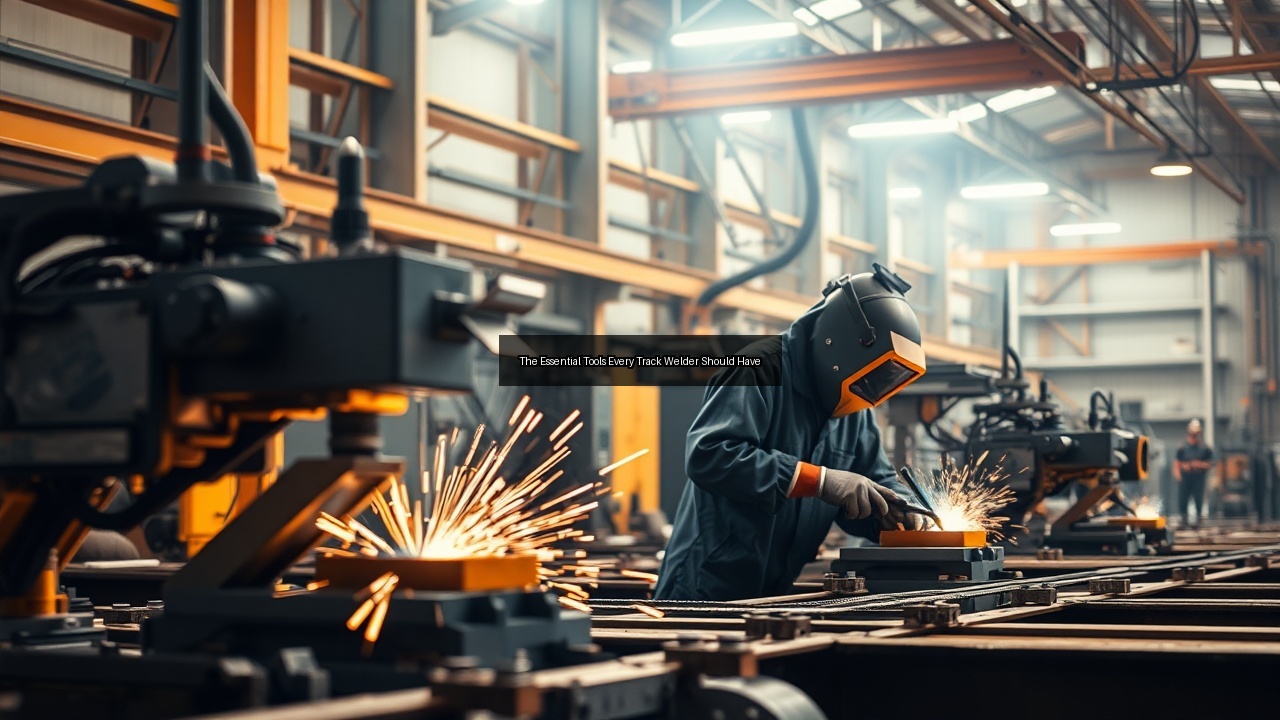
Key Equipment for Track Welding Success
Essential Welding Machines
Every track welder requires reliable welding machines tailored for specific tasks. The heart of any welding operation lies in the machine's efficiency and capability. For track welding, professionals often choose between MIG (Metal Inert Gas) and TIG (Tungsten Inert Gas) welding machines. MIG machines provide a fast and efficient method for welding, ideal for large-scale projects where speed is crucial. On the other hand, TIG welding machines offer precision and control, making them suitable for intricate work.
When selecting a welding machine for track welding, factors such as power output, portability, and ease of use come into play. The ability to adjust settings for different materials enhances versatility, allowing welders to tackle various challenges. Brands like Gullco International offer machines equipped with advanced features that streamline the welding process, ensuring high-quality welds while improving productivity. Investing in robust welding machines not only enhances the quality of work but also significantly reduces downtime, leading to more effective operations.
Types of Track Welding Equipment
Track welding requires specific equipment designed to meet the unique demands of the job. The primary equipment includes track welding machines, which are engineered for precision and high-speed operation. These machines often feature automated systems that enhance consistency and reduce human error. Track welders frequently utilize portable welding carts that allow for easy maneuverability along the tracks, improving accessibility during the welding process.
Other essential track welding equipment includes clamps and fixtures that secure the workpieces in place. These components ensure accurate alignment and stability during welding, which is crucial for achieving strong joints. Furthermore, track welding equipment often comes with advanced monitoring systems to track performance and quality, ensuring that every weld meets industry standards. Ensuring a well-equipped workspace not only boosts efficiency but also contributes to the overall safety of the welding operation.
Understanding the Role of Electrodes
Electrodes play a pivotal role in track welding, influencing the quality and characteristics of the weld. They conduct electrical current to create an arc between the electrode and the workpiece, melting the filler material to form a strong bond. Different types of electrodes are available, designed for various welding processes and materials. For instance, some electrodes are suited for high-strength steel, while others excel in welding aluminum or other non-ferrous materials.
Choosing the right electrode can significantly impact the final weld's strength and durability. Factors such as electrode diameter and coating type affect the arc stability and penetration depth. It's essential for track welders to understand these variables to optimize their choice of electrodes. Furthermore, maintaining the electrodes’ condition is crucial; damaged or worn electrodes can lead to poor weld quality and increased rework. Regular inspection and replacement of electrodes ensure consistent performance and high-quality results in every welding project.
Advanced Tools and Accessories
The Importance of Oscillators in Track Welding
Oscillators are advanced tools that enhance the precision and quality of track welding. By creating an oscillation pattern during the welding process, these devices enable welders to achieve more uniform and consistent welds. This is particularly beneficial when working with wider seams or thicker materials, as oscillation helps distribute heat evenly, reducing the risk of warping or distortion.
Incorporating oscillators into the welding setup can lead to significant improvements in productivity. The ability to automate oscillation patterns allows welders to focus on other critical aspects of the job, such as monitoring the quality of the weld. Companies like Gullco International specialize in oscillation technology, providing welders with tools that optimize performance and minimize the time spent on each weld. Adopting oscillators not only enhances the quality of the weld but also contributes to a better return on investment by streamlining operations and reducing rework.
Utilizing Connecting Rods for Precision
Connecting rods serve as essential components in track welding setups, providing the necessary connection between the welding machine and the workpiece. These rods facilitate a stable electrical flow, ensuring consistent welding performance. In addition, connecting rods assist in maintaining the correct distance between the welding tip and the workpiece, which is critical for achieving optimal weld penetration and quality.
Properly maintained connecting rods reduce the risk of equipment failure and enhance overall welding efficiency. Track welders should regularly inspect these rods for wear and tear, ensuring they remain in good condition to deliver reliable performance. Selecting high-quality connecting rods from reputable manufacturers can significantly impact the longevity and effectiveness of the welding equipment. These rods not only contribute to the precision of the welding process but also play a vital role in ensuring the safety and reliability of the entire track welding operation.
Ceramic Components: Enhancing Performance
Ceramic components play a significant role in enhancing the performance and durability of welding equipment. These materials exhibit exceptional heat resistance, making them ideal for use in high-temperature welding environments. Ceramic tips and nozzles, for example, can withstand extreme heat without degrading, ensuring consistent performance over time.
In track welding, ceramic components help to focus the welding arc, improving penetration and reducing spatter. This results in cleaner welds and less post-weld cleaning work, ultimately saving time and enhancing productivity. Additionally, ceramic materials contribute to the overall safety of the welding operation by minimizing the risk of overheating and equipment failure. Choosing welding machines and accessories that incorporate ceramic technology can provide track welders with a competitive edge, leading to superior results and increased customer satisfaction.
Maximizing Efficiency and ROI in Track Welding
Choosing the Right Welding Machine for Your Needs
Selecting the right welding machine is critical for maximizing efficiency and ensuring quality in track welding. Factors to consider include the type of welding process, material specifications, and the scale of the projects you typically handle. For example, if your work primarily involves large tracks, investing in a robust MIG welding machine may be beneficial due to its speed and efficiency in handling heavy-duty jobs.
Additionally, consider the power requirements and portability of the machine. A portable welding machine can offer flexibility, allowing welders to work efficiently across different job sites. Evaluate features such as ease of use, maintenance requirements, and available support from the manufacturer. By making an informed decision, track welders can enhance productivity while keeping costs manageable, leading to a higher return on investment over time.
Evaluating Track Welding Equipment for Long-Term Investment
When investing in track welding equipment, consider both initial costs and long-term benefits. Quality equipment may come with a higher upfront price, but it often pays off through increased durability and reduced maintenance needs. Evaluate the warranty and support services offered by manufacturers like Gullco, as these factors can significantly impact the total cost of ownership.
Conduct a thorough needs assessment to determine which equipment will provide the best value. Look for machines that incorporate advanced technology, such track welding machine as automatic feed systems and digital controls, which can enhance efficiency and reduce operator fatigue. Additionally, prioritize equipment that allows for easy upgrades and compatibility with new technologies, ensuring that your investment remains relevant as industry standards evolve.
Cost-Benefit Analysis of Track Welding Machines
Performing a cost-benefit analysis of track welding machines can yield insights into the best options for your business. Start by assessing the total cost of ownership, including purchase price, maintenance, and operational costs. Weigh these factors against the potential benefits, such as increased productivity, improved quality, and lower rework rates.
Consider the impact of advanced features that enhance efficiency, such as oscillation technology or high-quality electrodes. These features often result in fewer labor hours and better-quality welds, leading to significant savings over time. By understanding the financial implications of your equipment choices, track welders can make strategic decisions that enhance profitability while delivering exceptional results in their projects.